Choosing between a pergola and a retractable awning is really a question about how you want your outdoor space to feel day to day, how much weather protection you need, and how visible you want the shade structure to be when the sky is perfect.
Both options can transform a plain patio into a defined outdoor space that looks like part of your home’s exterior, but they solve different problems. Below, we unpack the key differences, how much protection you can expect in real weather conditions, and where each shines for comfort, style and long term value.
What’s The Difference Between A Pergola And A Retractable Awning?
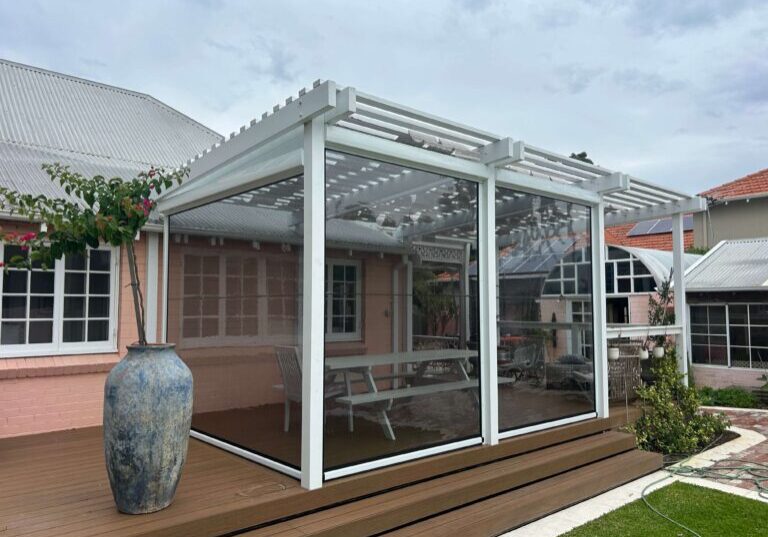
A pergola is a permanent structure that frames your patio with posts and beams and creates architectural presence even when the roof is open. Think of a traditional pergola with battens and climbing plants for partial shade and natural light, or a modern pergola fitted with a retractable roof, adjustable slats or louvres for adjustable shade and full rain protection when needed. Because it has its own structure, a pergola can sit away from the house to build a garden room around a sitting area, a hot tub or an outdoor kitchen.
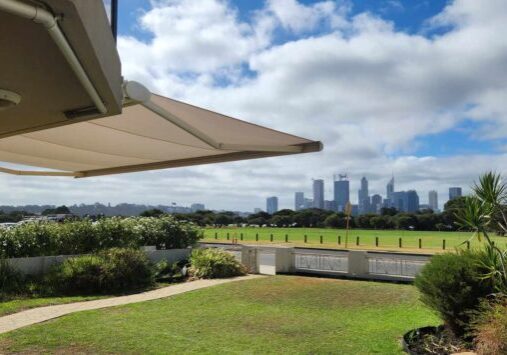
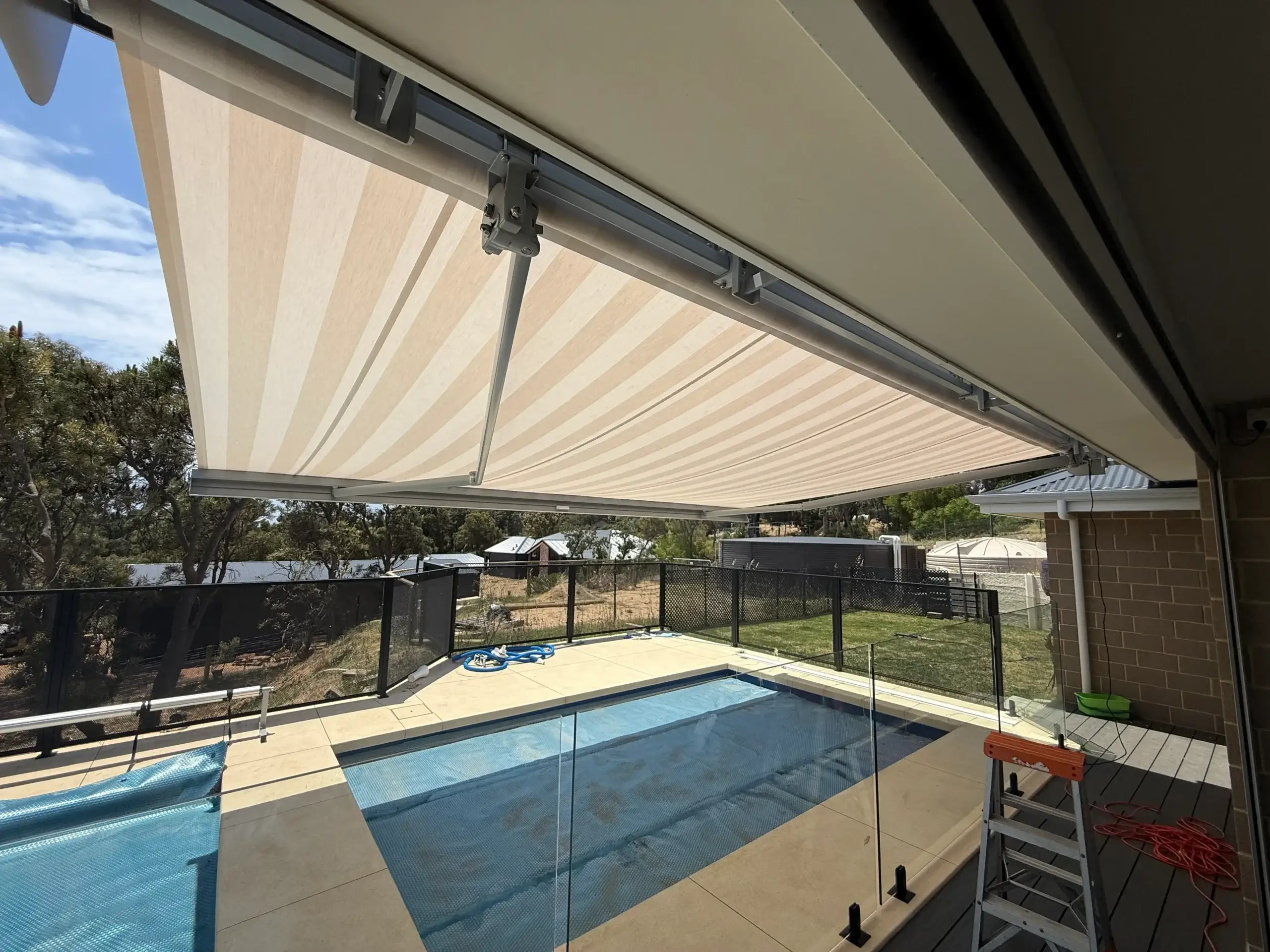
A retractable awning is a wall mounted shade solution that projects a tensioned retractable canopy over your patio. It is compact at rest and extends only when you want shade. Retractable awnings are the go to solution when you want dense, even shade on demand without adding a larger structure. Acrylic fabrics with water resistant coatings shed light rain, and modern cassettes protect the fabric when retracted so the system blends neatly into the façade.
Which Gives More Shade: Pergola Or Awning?
An extended awning casts a continuous pool of shade because the retractable canopy is a single plane. That makes it ideal for dining tables and glass sliders that suffer harsh sunlight in summer. A traditional pergola without a solid cover filters sun into soft patterns. This can be beautiful for garden lovers who enjoy dappled light, but it will not cool surfaces as effectively during peak heat.
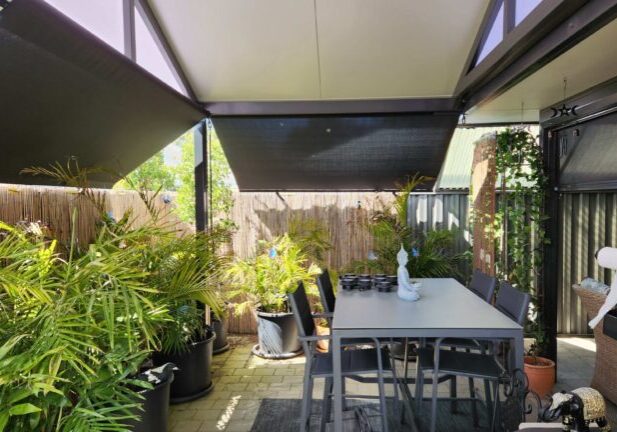
You can bridge the gap by upgrading a pergola roof. Add a retractable pergola membrane, a retractable roof with adjustable slats, or polycarbonate panels where you need more coverage. Fabric selection matters too. Lighter colours keep the outdoor area bright. Mesh openness around 5 to 10 percent on vertical screens will cut glare and UV while preserving views. All about shade offer both Sattler Lumera and Visiontex® mesh which brings a variety of colour and style options while providing extreme UV protection.
Do Pergolas Or Awnings Handle Wind And Rain Better?
A pergola fitted with a fixed sheet, a retractable roof or louvered pergolas with proper fall and gutters can achieve excellent rain protection. Water management is built into the design, so you can sit out a shower without worrying about where the runoff goes. The frame brings inherent stability in wind because loads are carried to posts and footings. That makes modern pergolas a strong choice for larger structure needs or exposed sites where you want year round use.
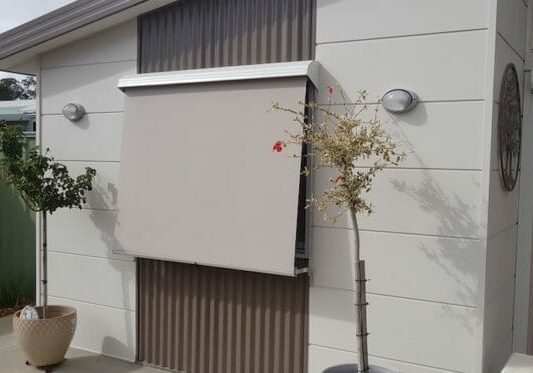
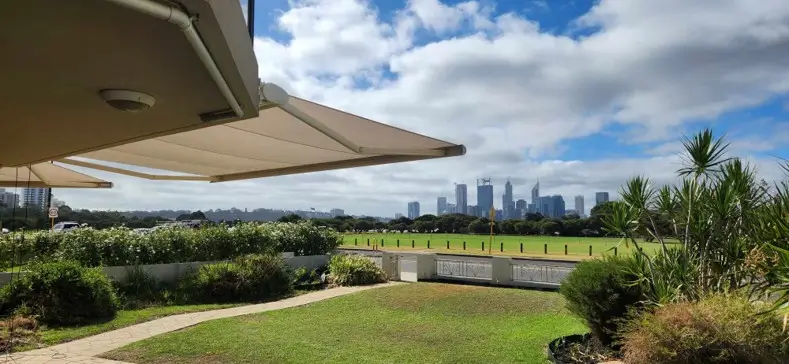
Retractable awnings are rated for wind and light rain across specific spans. High quality models use robust arms and acrylic fabrics to provide reliable shelter for everyday conditions. In changing weather and high winds you should retract to protect the mechanism, which is easy thanks to motorised controls. If your patio is regularly buffeted by afternoon breezes, consider pairing an awning with a side screen to tame crosswinds. For a plain English overview of side screen options that integrate with both pergolas and awnings, scan our Outdoor blinds overview.
Will Either Option Make My Patio Too Dark?
Neither has to. The trick is planning for light. With awnings, choose lighter canopy colours so reflected light bounces under eaves and back into your living space. With pergolas, keep part of the roof open or fit a retractable section so you can invite winter sun and morning light. For vertical screening, specify mesh with 5 to 10 percent openness to reduce glare without sacrificing natural light. A thoughtful mix gives you shade options rather than a single, always dark result. Remember fabric colour also shifts the mood from bright and airy to cocooned and calm.
Are Pergolas Only Decorative Or Do They Provide Real Sun Protection?
Pergolas offer real protection when you fit the right roof. A traditional pergola with battens and vines offers partial shade and a green ceiling that garden lovers adore. A modern pergola with a retractable roof or adjustable slats adds adjustable shade and credible rain protection on demand. The louvered style lets you angle slats to spill hot air while blocking direct rays, a clever way to reduce cooling costs on hot afternoons.
Can I Add Side Screens Or Blinds To Either Solution?
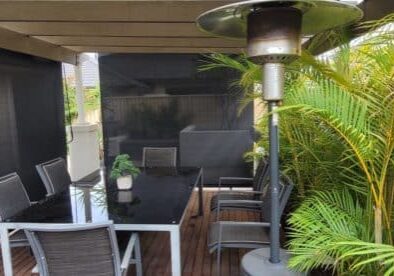
Yes. Track guided blinds integrate cleanly with pergola beams and posts or sit under awnings to block wind and low sun while keeping views across the garden. Track guided Ziptrak® or eZip® blinds deliver UV protection at the edge where a canopy cannot reach and turn a gusty patio into a calm outdoor room. Plan the fixing points early. Posts, beams and soffits should accept tracks, bottom bars and finishes without clashing with doors or downpipes.
Do I Need Permits Or Council Approval For Pergolas Vs Awnings?
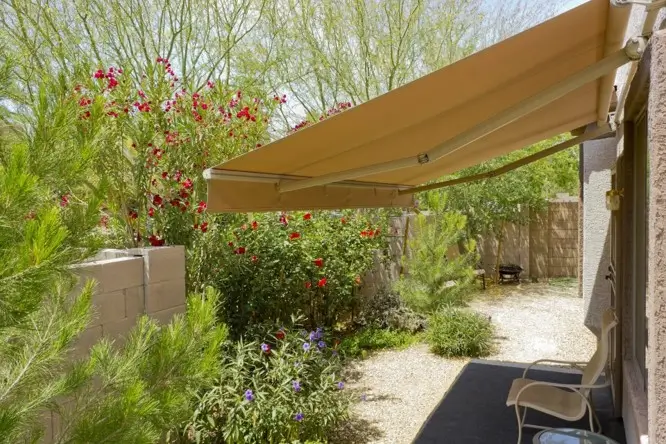
Pergolas often require approval because they add visible structure, change drainage paths, and may approach boundary height limits. Approvals are straightforward if you submit simple drawings that show posts, roof type and colours. Rear mounted awnings are commonly exempt, yet you should still check heritage overlays, street facing rules and strata by laws for colour and visibility. If you need guidance on what applies to your patio and how to approach the process, contact us for advice and quotes.
How Long Do Pergolas Vs Retractable Awnings Typically Last?
Pergola frames in aluminium or steel can exceed 20 years with minimal upkeep. Timber needs resealing over time but rewards you with warmth and texture that suits traditional pergolas. Retractable pergolas and louvered roofs have motors and moving parts that should be serviced periodically for smooth operation. Retractable awnings also last many years with proper maintenance, when you rinse salt, wash fabric with mild detergent and retract in storms. Fabric replacement is straightforward if you refresh colours in the future. Written warranties spell out coverage for frames, fabrics and motors, which is worth confirming ahead of time. You can review our coverage on the Warranty page.
Which Looks Better With Modern Vs Traditional Homes?
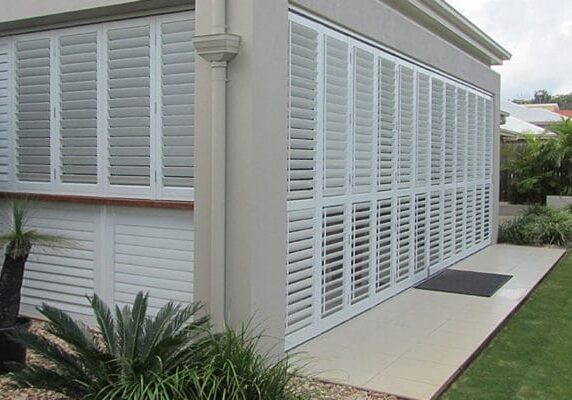
Both can look excellent if you align details with your home’s style. A modern aesthetic favours slim profiles, flat planes and lighter fabrics that preserve natural light. A slimline wall mounted awning disappears into the façade when retracted and keeps the elevation clean. A minimalist pergola with square posts and a retractable canopy reads as an intentional extension of the architecture. Traditional homes lean into timber pergolas, classic stripes, scalloped valances and soft lighting that complements garden features. If you need additional privacy or rhythm at the boundary, shutters and vertical screening can finish the edge without feeling heavy.
Are There Freestanding Options Vs Wall Mounted?
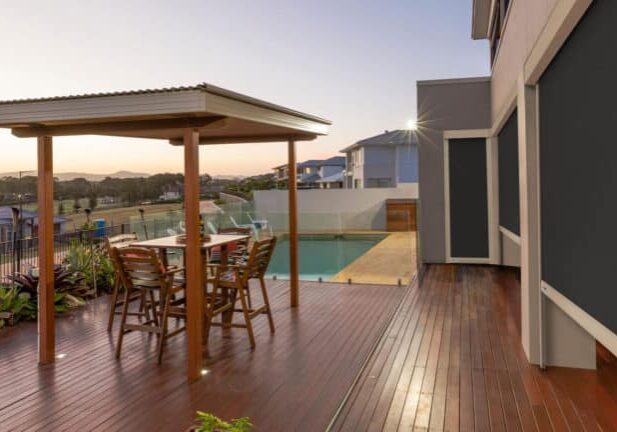
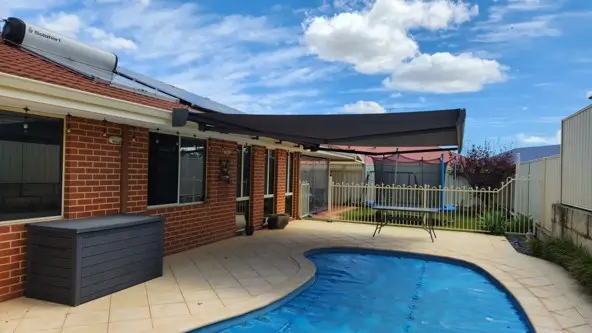
Pergolas can be freestanding to build a separate room in the garden or attached to extend the living space just outside the door. This flexibility helps when you want shade over a poolside sitting area or a path where walls are not available. Awnings are typically wall mounted, but you can mount some models to their own frame or posts when walls will not accept fixings. On balconies and compact terraces, bracket choices and fixings change again.
Are Motorised Options Available For Both?
Yes. Motorised awnings and retractable pergola roofs provide push button control, and you can add wind or sun automation that reacts to weather conditions. Sensors can lower shade before peak heat and automatically retract in high winds to protect the system. Integration with LED lighting along rafters or cassette undersides completes the outdoor room feel. If you are curious about controls, power points and smart home tie ins, our motor options page covers the essentials.
What’s The Basic Maintenance For Each?
Pergolas ask for simple seasonal care. Wash frames, clear gutters and check fixings at the change of seasons. If you grow climbing plants, keep growth away from louvres or retractable membranes so movement stays smooth. Timber requires occasional resealing to look its best. Awnings prefer a light touch. Rinse salt near the coast, wash acrylic fabrics with a mild detergent, and keep moving parts lubricated. Retract in bad weather and heavy rain to protect arms and fabric. If you add café style clear PVC infills for winter, use approved cleaners and polishes to maintain clarity.
Cost, Value And When Each Is Most Cost Effective
A retractable awning is generally more cost effective upfront than building a pergola because it uses fewer materials and leverages the wall for support. It also delivers fast results for households that need adjustable shade and light rain protection without a larger construction project. Over years of daily use it can reduce cooling costs by blocking direct sun at the glass before it heats the interior.
A pergola often carries a higher initial cost because it is an own structure with posts and footings. The payoff is long term value. You gain a defined outdoor space that is part room, part garden pavilion, with capacity for integrated lighting, fans, gutters and retractable canopies. If you want a destination zone in the landscape or a framework for climbing plants that brings seasonal beauty, a pergola pays you back every time you step outside. In both cases, professional installation protects warranties and ensures spans, fixings and water management are correct from day one.
Real World Scenarios To Help You Decide
If your patio bakes under afternoon sun but you still want a bright interior and minimal visual bulk, choose a retractable awning. It provides adjustable shade, retracts to nothing when the sky is kind, and sits quietly above doors and windows. If your garden needs a larger structure that creates a true outdoor room with space for an outdoor kitchen, a long dining table and soft lighting, a pergola is the better anchor. Fit a retractable roof to manage changing weather and add side screens for low sun. If you already have a pergola and want a denser shade option over part of it, add a retractable canopy in the bay that receives the strongest sun.
A hybrid layout also works beautifully in Perth. Use a wall mounted awning as the main adjustable shade at the house, then place a freestanding pergola among garden beds as a destination under mature trees. Connect the two with a path and let the planting do the rest. You end up with two outdoor areas that respond to different times of day, rather than one space that tries to do everything.
Bottom Line And Next Steps
Choose a retractable awning if you want adjustable shade with minimal upkeep, a compact look when retracted and reliable comfort over dining and door thresholds. Choose a pergola if you want a permanent structure that defines the room, supports louvres or a retractable roof for complete protection, and offers a canvas for climbing plants and integrated lighting. Both reduce direct sun on hot days, both can be motorised, and both can pair with side screens to calm wind and glare.
Schedule Your FREE Measure & Quote
All About Shade will never share or sell your details. For more information on this, and how we use your information, please read our Privacy Policy.